The context defines the application

One transmission system powers entirely different environments, from personal devices to national infrastructure.
APPLICATION CONTEXTS 500 m transmission zones Device and IoT charging Humanoid robotics Electric vehicle charging Hospitality environments Smart city infrastructure Remote electrification Island and coastal energy access Emergency response Space-based energy systems POINT TO MULTIPOINT TRANSMISSION
One transmission layer. Multiple applications
01 / Core capability
500 m transmission zones
Continuous power coverage within a 500-metre transmission zone from a single relay point.
Zone-based · always-on · cable-free
02 / Consumer surface
Mobile device charging
Phones and laptops receive continuous power without physical connection.
Always-on · wireless · device-level
03 / Robotics
Humanoid robotics
Powered wirelessly, humanoid robots operate free from charging interruptions.
Autonomous · always-on · human-scale
04 / Mobility
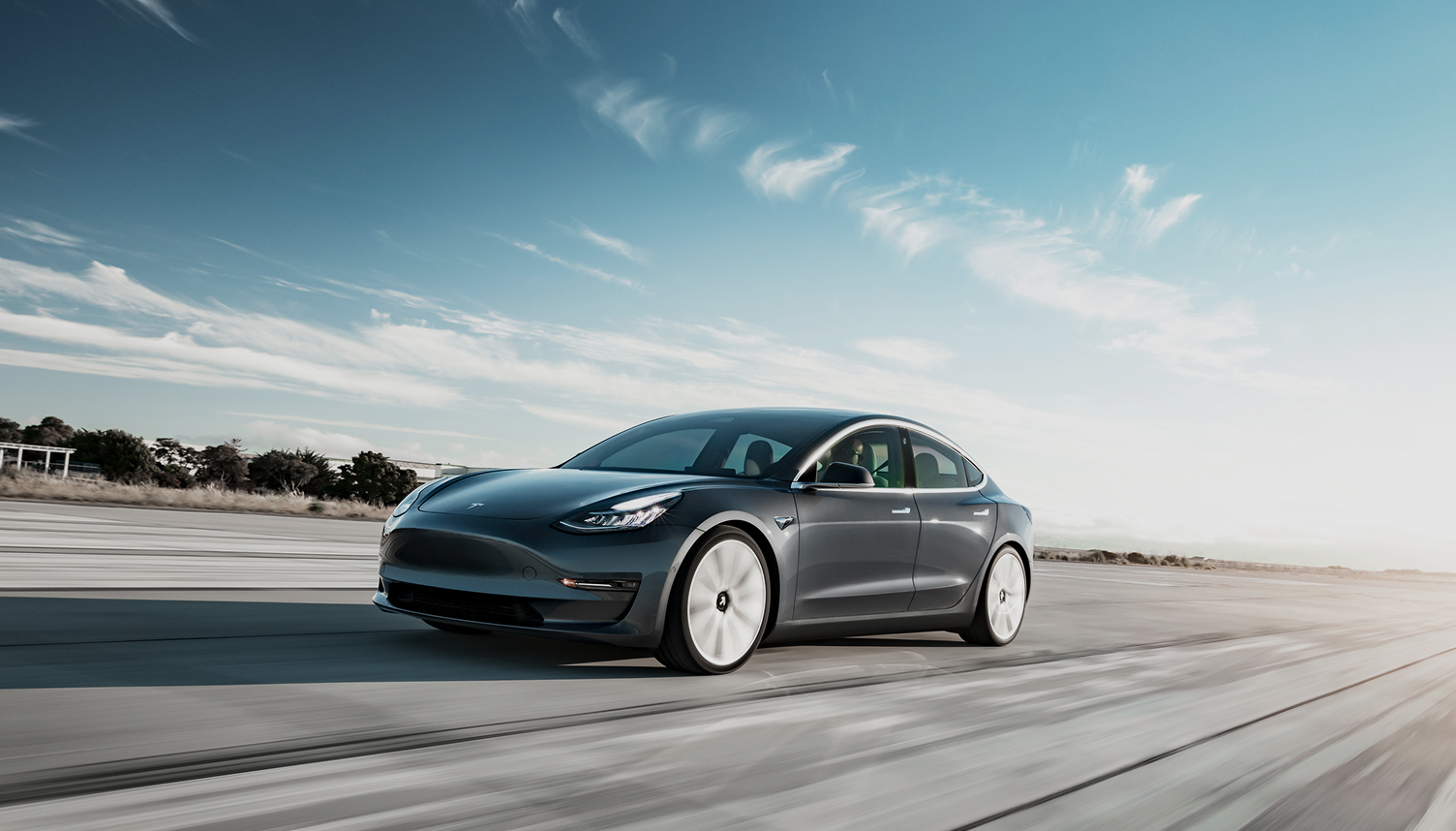
Electric vehicle charging
Vehicles receive power while parked, idle, or in motion within enabled zones.
In-motion · zone-based · infrastructure-light
05 / Built environment
Hospitality environments
Hotels, resorts, and marinas operate without visible power infrastructure.
Cable-free · integrated · efficient
06 / Civic
Smart city infrastructure
Street lighting, sensors, and public systems powered through a unified layer.
City-scale · unified · continuous
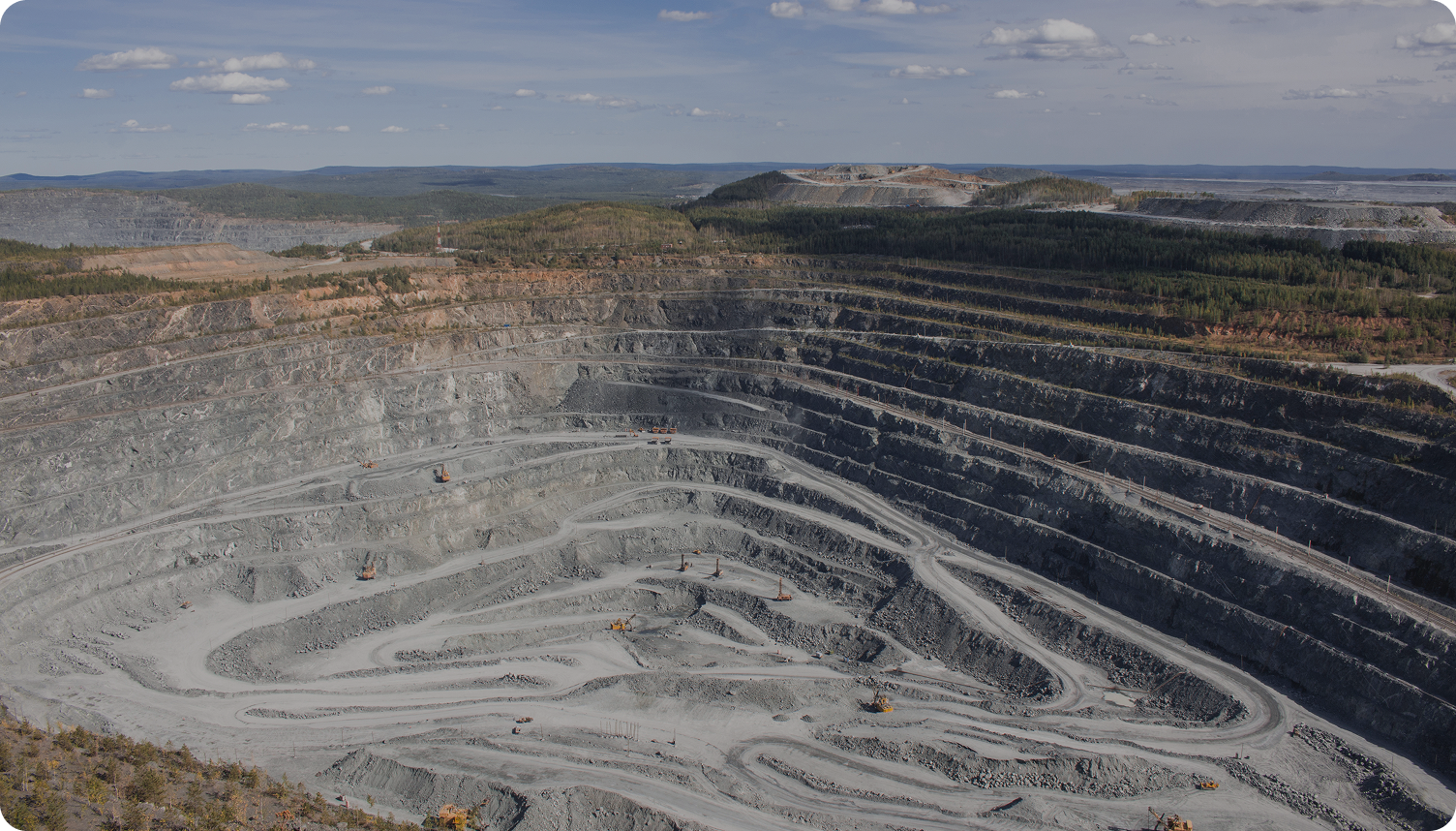
07 / Sovereignty
Remote and rural electrification
Power delivery in regions without grid access or stable infrastructure.
Off-grid · distributed · sovereign-operated
08 / Geographic
Island and coastal energy access
Power transmitted across water without subsea cables or physical links.
Over-water · cable-free · long-range
09 / Resilience
Emergency response
Rapid power deployment in crisis zones without rebuilding infrastructure.
Rapid deployment · mobile · resilient
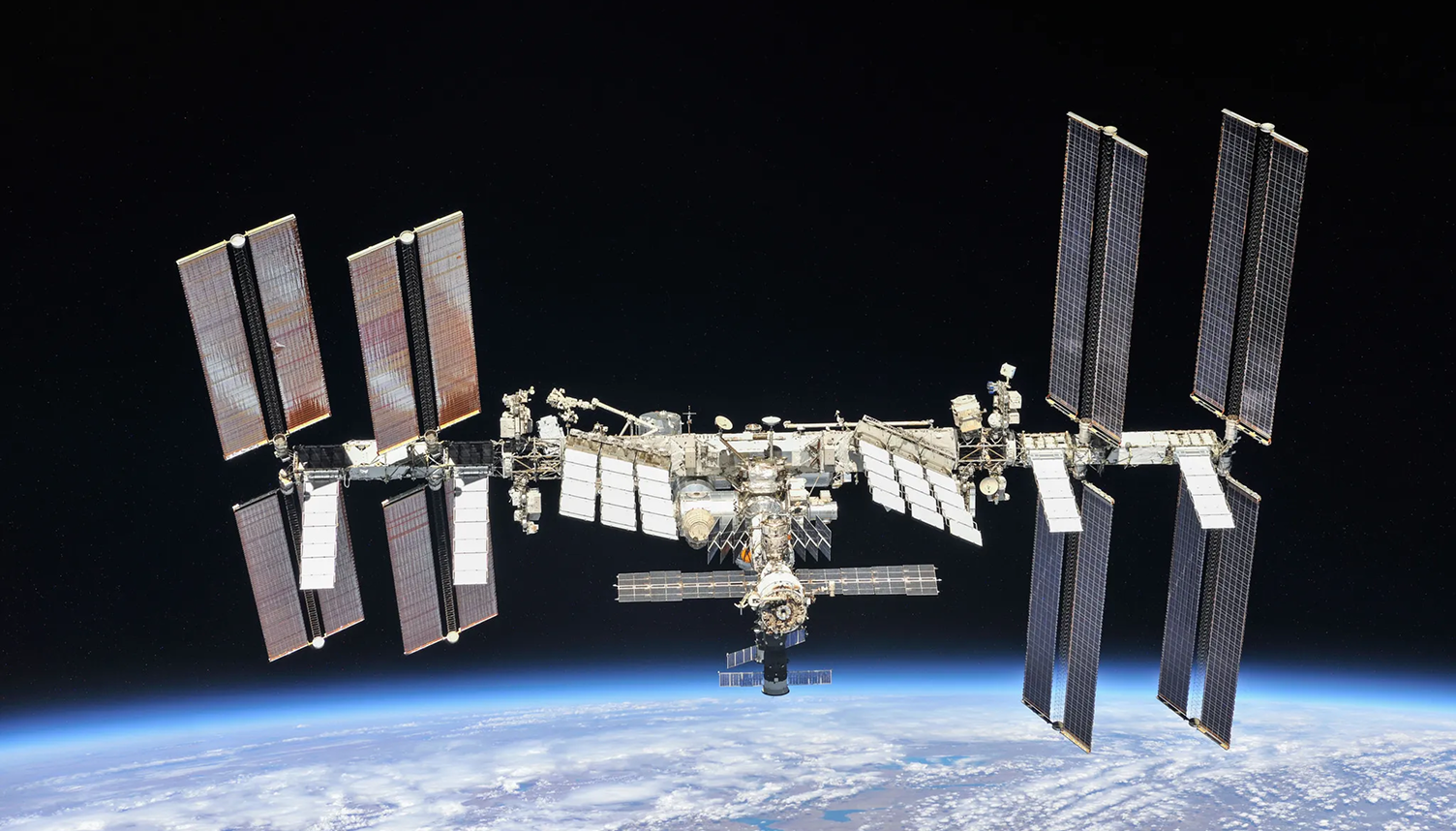
10 / Pathway · future
Space-based energy systems
Long-range transmission beyond terrestrial infrastructure as a future pathway.
Long-range · experimental · future-facing
01 / 10
500 m transmission zones
500 m transmission zone from an AEIR emitter
Zone-based · always-on · cable-free
AEIR emitter 500 m zone
Use case
One AEIR emitter powers multiple receivers across a 500 m transmission zone simultaneously and continuously.
WHY AEIR FITS
One emitter powers multiple verified receivers without cables or fixed infrastructure.
Deployment context
Designed for campuses, districts, industrial sites, and shared urban environments.
02 / 10
Devices and IoT charging
Devices draw power continuously from the air
Always-on · wireless · device-level
AEIR emitter
Use case
Devices receive low-power transmission within an active zone, ranging from personal devices to sensor networks.
WHY AEIR FITS
No charging infrastructure required. One zone powers everything from a phone to thousands of low-power endpoints.
Deployment context
Low-power receivers, from individual devices to dense IoT deployments, within a shared transmission zone.
03 / 10
ROBOTICS
Humanoid robots operate without charging or docking
Autonomous · always-on · human-scale
AEIR emitter
Use case
Humanoid robots receive power within operating zones, enabling operation across public and care environments.
WHY AEIR FITS
Continuous power removes runtime constraints while reducing battery weight and thermal limitations.
Deployment context
Zone-based deployment in workplaces, public services, and care environments where humanoid robots operate alongside people.
04 / 10
Electric vehicle charging
Vehicles receive power parked or in motion
In-motion · zone-based · infrastructure-light
AEIR emitter
Use case
Vehicles receive continuous power within a defined transmission corridor, supporting operation while parked, paused, or in motion.
WHY AEIR FITS
No fixed charging infrastructure required. Continuous power delivery supports vehicles without stop-based charging cycles.
Deployment context
Corridor-based deployment enabling continuous vehicle operation across defined routes.
05 / 10
Built environment
Buildings without visible power infrastructure
Cable-free · integrated · efficient
AEIR emitter
Use case
Buildings operate as continuous coverage environments, where power is delivered across spaces without visible infrastructure.
WHY AEIR FITS
No visible cabling or fixed power points required. Power delivery is integrated into the building environment.
Deployment context
Indoor deployment across multi-level buildings, supporting continuous coverage across floors and zones.
06 / 10
Smart city infrastructure
City infrastructure powered by one transmission layer
City-scale · unified · continuous
AEIR emitter
Use case
Municipal endpoints including streetlights and thousands of sensors operate within a shared transmission layer.
WHY AEIR FITS
City retrofits no longer require civil works. One layer powers lighting and sensor networks without construction.
Deployment context
Active deployment proposal with a mid-size European municipality, supporting district-scale infrastructure rollout.
07 / 10
Remote and rural electrification
Communities powered without grid extension
Off-grid · distributed · sovereign-operated
AEIR emitter
Use case
AEIR delivers verified power to settlements beyond viable grid expansion. Deployment is emitter based, not corridor based.
WHY AEIR FITS
Energy independence starts with transmission, not generation. Deployment follows local timelines, not grid rollouts.
Deployment context
Engagement initiated with national authorities.
Deployment frameworks under formal review.
08 / 10
Island and coastal energy access
Wireless energy transmission across water
Over-water · cable-free · long-range
AEIR emitter NO SUBSEA CABLE
Use case
Coastal and offshore environments operate without subsea cables, with power delivered across open water.
WHY AEIR FITS
No seabed works or cable systems required. Power is deployed without marine construction.
Deployment context
Deployment across island and coastal regions, enabling continuous coverage without subsea infrastructure.
09 / 10
Emergency and disaster response
Power restoration without waiting for grid repair timelines
Rapid deployment · mobile · resilient
GRID DOWN AEIR emitter
Use case
When grids fail from flood, fire, earthquake or conflict, recovery slows. AEIR enables mobile power for critical sites.
WHY AEIR FITS
In disasters the grid fails first. AEIR operates independently.
Deployment context
Deployment coordinated with a humanitarian logistics partner.
10 / 10
Space-based energy systems · future
Space based power as a long term pathway
Long-range · experimental · future-facing
ATMOSPHERE AEIR emitter GROUND RECEIVER
Use case
Power delivered beyond atmosphere using transmitter and receiver systems. A research pathway, not an operational system.
WHY AEIR FITS
The physics is consistent. Engineering is not yet operational at scale.
Deployment context
Research stage with no commercial deployment. Documented in the technical brief.
One transmission layer, operating across different contexts
01
Emitter remains fixed
The transmission system remains unchanged across applications, regardless of receiver type, scale, or context.
02
Verification is unified
Authentication, measurement, and settlement operate across contexts, ensuring unified verification.
03
Receiver defines the context
Form factor, demand profile, and governance vary by context, while the transmission layer remains unchanged.
/ Deployment
Define the context
We deliver the transmission
Share your requirements. We define delivery scope and timeline.